
Amazon KDP Tools for Authors: Research, Optimization, and Publishing Utilities
Publishing a book on Amazon KDP involves many small decisions that influence how readers discover and evaluate your book. Authors research niches, estimate potential sales, experiment with titles and descriptions, choose keywords, and decide how to position their book within Amazon categories. Having the right tools for these decisions can make the publishing process much clearer.
The tools in this hub are designed to support different parts of that process. Some help authors understand market signals such as Best Sellers Rank (BSR) and estimated book sales. Others assist with listing optimization by generating ideas for titles, descriptions, keywords, and categories. Additional utilities help improve reader engagement or expand a publishing catalog with new types of books.
Instead of relying on guesswork, KDP authors can use these tools to explore options, compare different approaches, and make more informed publishing decisions. Whether you are researching a niche, improving your book listing, or experimenting with new publishing ideas, this hub brings together the practical tools that support each step.
Main Types of Amazon KDP Tools for Authors
Most Amazon KDP tools fall into a few practical categories depending on what part of the publishing process they support. Some tools help authors understand the market and estimate book demand, others focus on improving book listings, and some utilities help expand reader engagement or create new types of books.
Understanding these groups makes it easier to choose the right tool for each publishing step. Instead of trying to solve everything at once, authors can focus on one decision at a time — researching a niche, optimizing a listing, or improving the reader experience.
Research Tools
Research tools help authors understand the market before publishing a book. These tools analyze signals such as Amazon Best Sellers Rank (BSR) to estimate book sales, evaluate niche demand, and compare potential publishing ideas.
Listing Optimization Tools
Listing optimization tools help authors improve how their book appears in Amazon search results. These tools generate ideas for titles, descriptions, keywords, and categories that can improve discoverability and reader engagement.
Author Utilities
Author utilities support additional publishing strategies. Examples include QR codes that connect readers to bonus content and printable generators that help authors create puzzle books or other interactive formats for KDP.
Together, these categories cover the most common decisions KDP authors make when publishing books: researching niches, optimizing listings, and expanding the ways readers interact with their content.
Why Tools Matter in Amazon KDP Publishing
Self-publishing on Amazon gives authors full control over their books, but it also means making many small decisions that influence visibility and sales. Titles, keywords, categories, pricing, and reader experience all affect how a book performs inside the Amazon marketplace.
Without clear tools, many of these decisions become guesswork. Authors may choose keywords that readers never search for, misunderstand how Best Sellers Rank reflects sales activity, or miss opportunities to improve how their book appears in search results.
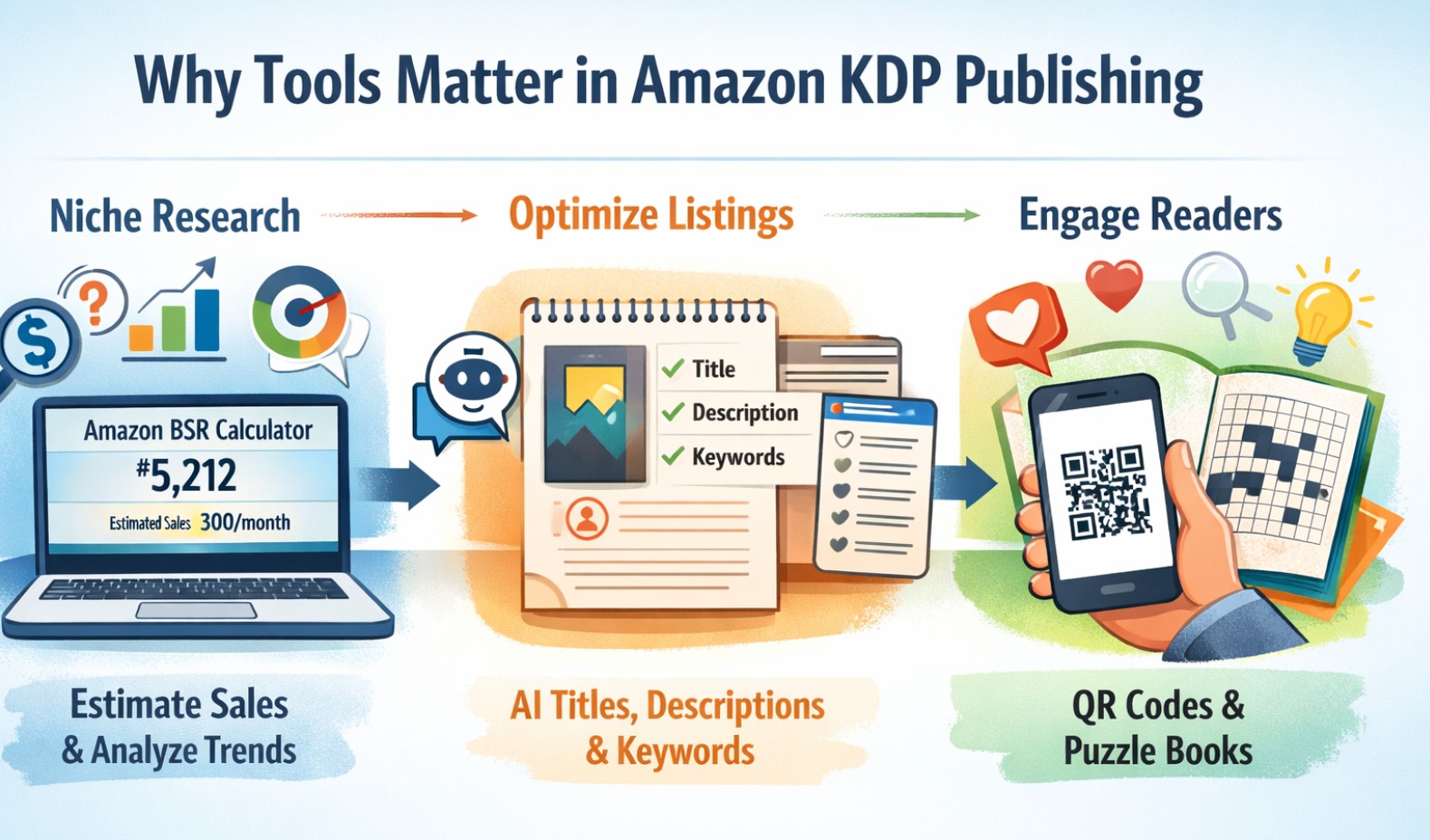
The purpose of KDP tools is not to replace the author’s judgment but to make these decisions clearer and faster. Instead of guessing, authors can use simple tools to estimate demand, generate structured listing ideas, and improve how readers discover their books.
When used together, research tools, listing optimization tools, and author utilities help transform the publishing process into a more predictable workflow — from choosing a niche to improving discoverability and building a better reader experience.
Example: Using KDP Tools in a Publishing Workflow
Many successful KDP authors approach publishing as a step-by-step process. Instead of making random changes to a book listing, they move through a simple workflow: researching the market, optimizing the book listing, and improving how readers interact with the book after discovering it.
The tools in this hub are designed to support each of these steps. Authors can start by analyzing market demand using BSR estimates, then refine their book listing with stronger titles, descriptions, keywords, and categories, and finally enhance reader engagement through additional tools such as QR codes or interactive content.
Step 1: Research the Niche
Authors often begin by exploring the market. Tools such as the Amazon BSR Calculator help estimate sales activity and understand how competitive a niche may be before publishing.
Step 2: Optimize the Book Listing
Once the niche is validated, authors refine their book metadata. AI tools can generate title ideas, description drafts, keyword phrases, and category suggestions that improve discoverability.
Step 3: Improve Reader Engagement
After publishing, authors often enhance reader experience with additional elements such as QR codes linking to bonus content or interactive formats like puzzle books.
Thinking about publishing as a workflow helps authors make clearer decisions. Instead of guessing what might work, each step builds on the previous one — from research to listing optimization and finally to improving the reader experience.
Tools Inside the KDP Tools Hub
Pick the tool that matches your current publishing task. You can start with niche research, move into listing optimization, or use free utilities to improve reader engagement and expand your publishing projects.
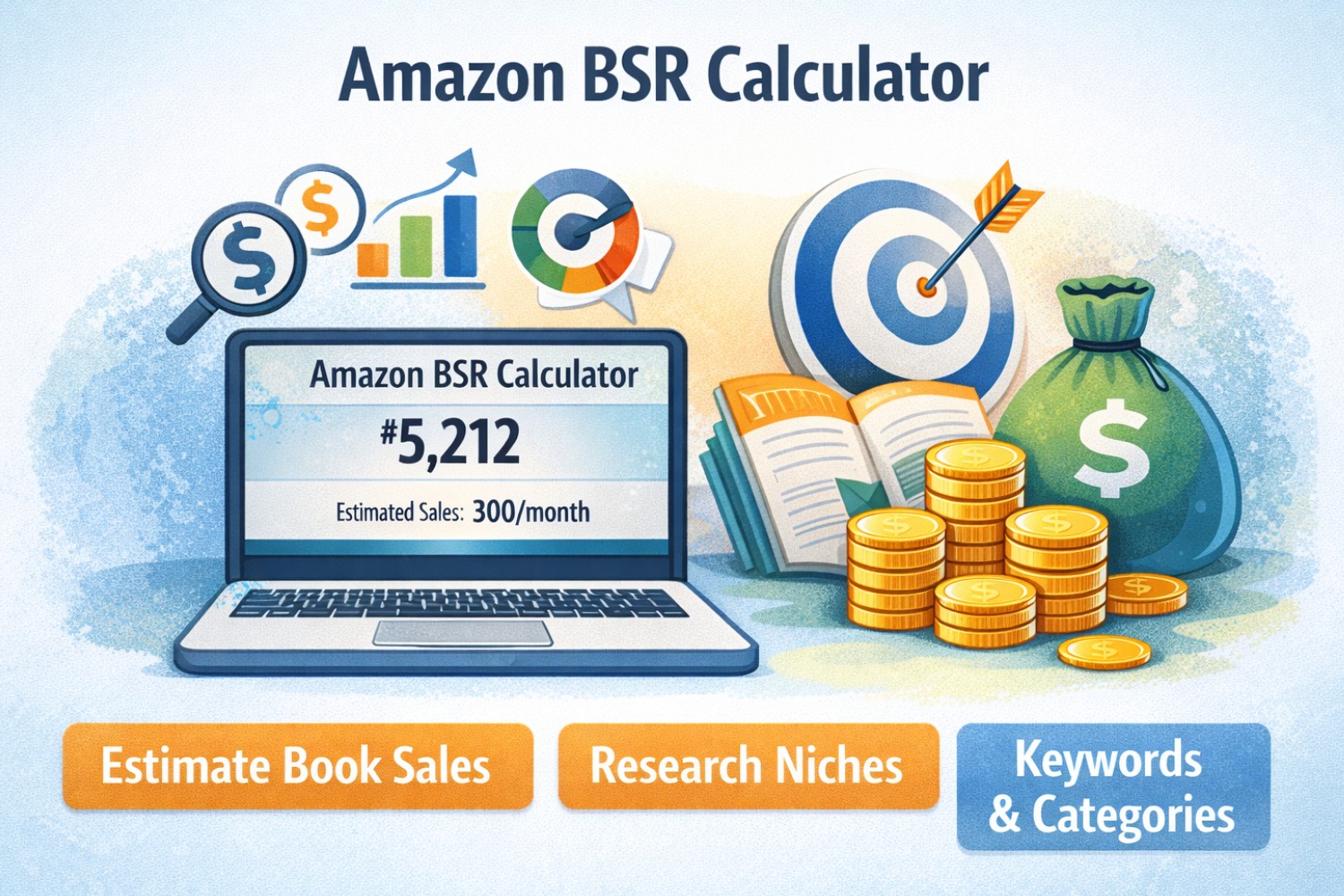
Amazon BSR Calculator
Estimate book sales and royalties using Best Sellers Rank. Useful for niche research, competitor analysis, and understanding demand signals before publishing.
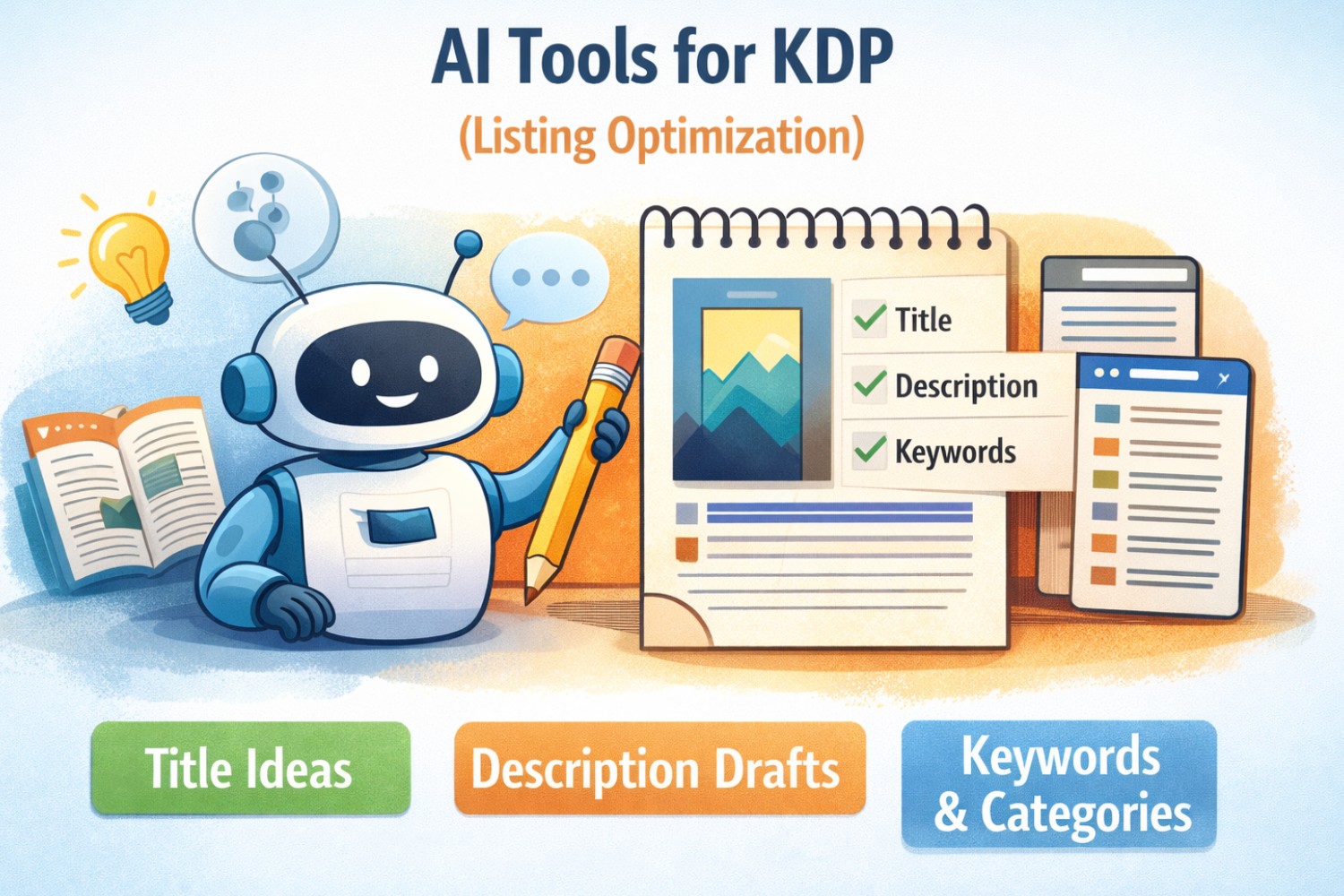
AI Tools for KDP (Listing Optimization)
Generate title ideas, description drafts, keyword angles, and category positioning options. Designed to help authors refine metadata faster and improve discoverability.
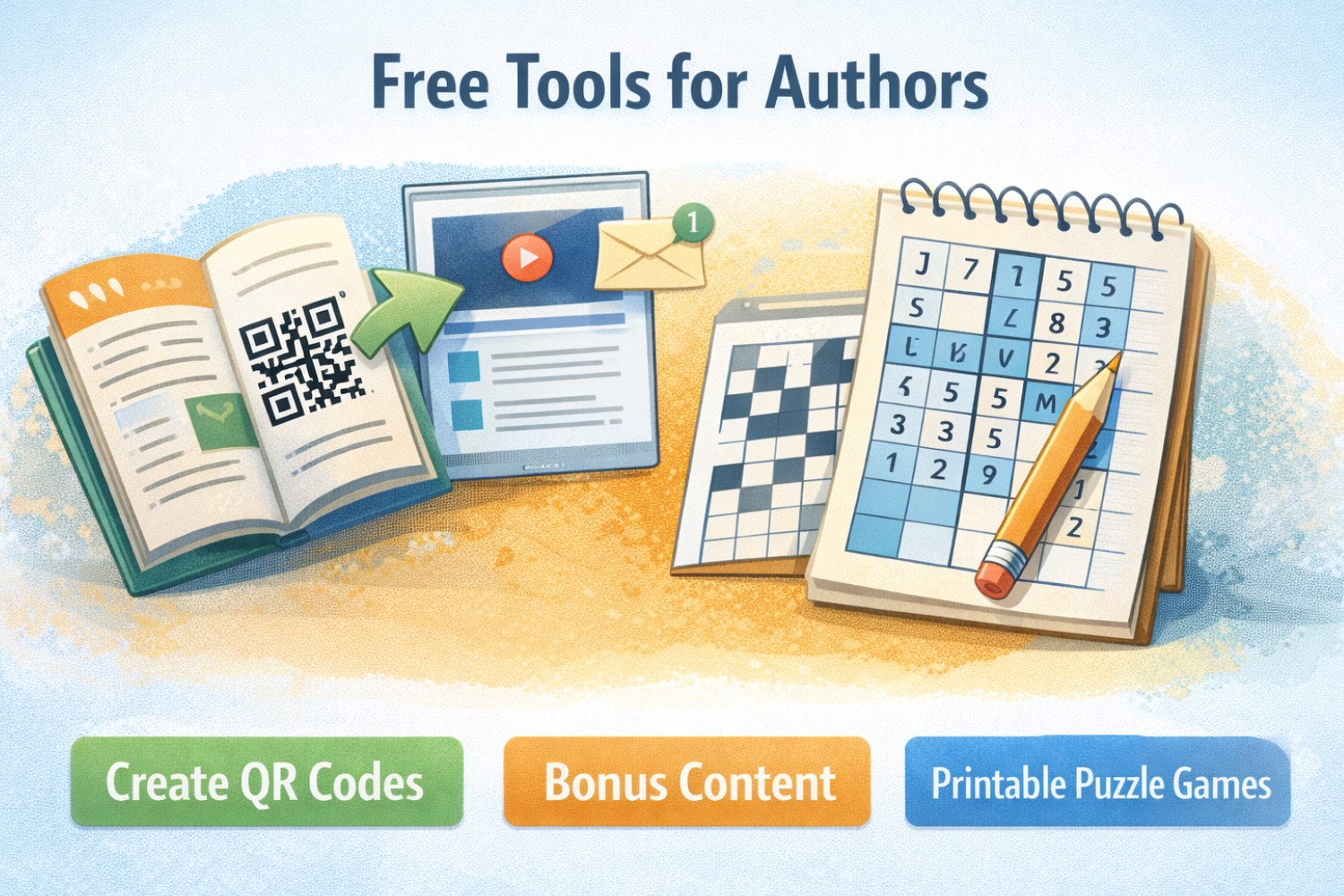
Free Tools for Authors
Create QR codes for books, link readers to bonus content, and explore printable tools like puzzle generators for KDP projects and low-content publishing ideas.
When research tools, listing optimization tools, and author utilities work together, publishing becomes more structured. You can make clearer decisions, improve discoverability, and build a stronger long-term catalog.
How KDP Authors Use These Tools in Practice
Many authors treat publishing as a series of small experiments rather than a single big decision. Instead of trying to perfect everything at once, they improve one element at a time — researching niches, refining book listings, and adjusting how their book connects with readers.
For example, an author might begin by analyzing a niche using BSR estimates to understand how active a category is. After publishing, they may experiment with different title wording, keyword phrases, or description structures to see which version better communicates the book’s value to readers.
Additional tools can support reader engagement as well. Some authors include QR codes inside their books that link to bonus materials, author newsletters, or companion resources that extend the reading experience.
Over time, these small adjustments help authors understand what works best for their audience. Instead of relying on guesswork, tools make it easier to test ideas, compare options, and gradually improve how a book performs in the Amazon marketplace.
Common Mistakes When Using KDP Tools
Tools can help authors make better publishing decisions, but they are most useful when combined with judgment and testing. Many beginners expect tools to provide perfect answers, when in reality they work best as guidance for exploring options and improving listings step by step.
| Common Mistake | What to Do Instead |
|---|---|
| Treating BSR estimates as exact sales numbers | Amazon does not publish real sales data. Use BSR tools to understand relative demand and compare niches rather than expecting perfectly accurate unit counts. |
| Using AI-generated metadata without editing | AI tools are best used for brainstorming ideas. Authors should refine titles, descriptions, and keywords so they clearly match the topic and audience of the book. |
| Changing too many listing elements at once | When testing improvements, adjust one element at a time (title wording, keywords, or description structure) so you can observe what actually influences performance. |
| Choosing categories only based on competition | Categories should reflect the true topic of the book. Relevance helps readers find the right book and improves long-term discoverability. |
| Expecting tools to replace publishing strategy | Tools support decisions but do not replace experience. The best results come from combining research, testing, and gradual improvements over time. |
When used thoughtfully, tools help simplify publishing decisions. Instead of guessing what might work, authors can analyze options, test improvements, and refine their listings based on real feedback from readers and the marketplace.
Frequently Asked Questions About KDP Tools
Authors often use tools while researching niches, preparing book listings, or improving how readers interact with their books. Below are a few common questions about KDP publishing tools.
What are KDP tools?
KDP tools are utilities that help authors research niches, optimize book listings, and improve reader engagement. Examples include BSR calculators, AI metadata generators, keyword research tools, and publishing utilities.
Can tools really help improve book visibility on Amazon?
Tools can help authors make clearer decisions about titles, keywords, descriptions, and categories. While tools do not guarantee sales, they can improve how a book is presented and discovered inside Amazon search.
Is Amazon BSR an exact measure of book sales?
No. Amazon does not publish exact sales numbers. BSR reflects relative sales performance within a category. Tools can help estimate sales ranges based on observed ranking behavior.
Can AI tools write my entire book listing?
AI tools can generate ideas for titles, descriptions, keywords, and categories. Authors should review and refine the output to ensure it accurately represents the book and communicates clearly with readers.
Are these KDP tools free to use?
Many tools inside the KDP Tools hub are free. Some advanced features on Virtalibry may require an account, but the goal of the hub is to provide practical resources that authors can explore without barriers.
Continue Exploring KDP Publishing Tools
Each tool inside this hub focuses on a different stage of the self-publishing process. You can explore sales estimates, generate metadata ideas, or experiment with tools designed specifically for authors publishing on Amazon KDP.
Amazon BSR Calculator
Estimate book sales and royalties from Best Sellers Rank and understand how BSR reflects marketplace activity.
AI Tools for Amazon KDP
Generate title ideas, description drafts, keyword angles, and category suggestions to help refine your book listing.
Free Tools for Authors
Create QR codes for books and explore puzzle generators designed for KDP printables and low-content publishing.
Publishing becomes easier when tools support each stage of the process — from niche research to listing optimization and reader engagement.