
Public Book
The Neurodivergent Tween Girl
Celebrating Girls on the Autism Spectrum As They Journey Through the Tween Years (Neurodivergent Minds)
by Katie Franklin
About the Book
A warm, practical guide to help autistic tween girls understand themselves—and thrive. The Neurodivergent Tween is a positive, strengths-based resource created especially for girls ages 9–12 who are autistic, newly diagnosed, exploring autism, or simply feeling “different. ” Written by a mother and sister of autistic adults, this book offers compassionate insight into what autism looks and feels like for girls—without medical jargon or judgment.
Parents will appreciate the clear explanations, relatable examples, and practical tools for navigating sensory needs, emotional overwhelm, school challenges, and social struggles. Girls will love the encouraging tone, simple language, and fun activities designed to help them build confidence and understand their autistic identity. A Supportive Guide for Both Parents and Tween Girls Many autism books focus on boys or clinical definitions. This guide speaks directly to the lived experiences of autistic girls.
Read more
With warmth and clarity, it explores:Autism in girls and why it often looks different than people expect Sensory needs and sensory overload, plus calming strategies tweens can use anywhere Emotional regulation tools for big feelings, meltdowns, and shutdowns Special interests as sources of strength, creativity, and confidence Friendships, communication differences, and boundaries that help girls form safe, authentic connections Self-advocacy skills to communicate needs at home, school, and social settings
Key features
With warmth and clarity, it explores:Autism in girls and why it often looks different than people expect Sensory needs and sensory overload, plus calming strategies tweens can use anywhere Emotional regulation tools for big feelings, meltdowns, and shutdowns Special interests as sources of strength, creativity, and confidence Friendships, communication differences, and boundaries that help girls form safe, authentic connections Self-advocacy skills to communicate needs at home, school, and social settings
Book details
More Books From This Category
 No cover
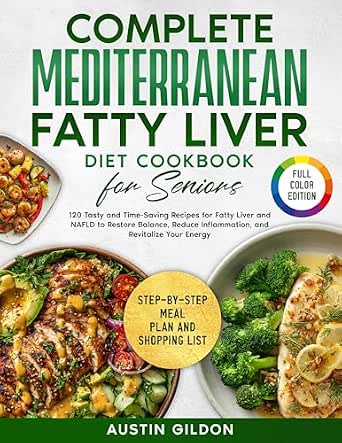
Complete Mediterranean Fatty Liver Diet Cookbook for Seniors: 120 Tasty and...
Written by: Austin Gildon
Language: English
Format: Kindle • Paperback • Hardcover
Contains: ~20000 words
 No cover
Couples Conversations: Deepen Your Connection (Vol. 4): 300 Questions on...
Written by: Ari Sytner
Language: English
Format: Kindle • Paperback • Hardcover
Contains: ~40000 words
 No cover
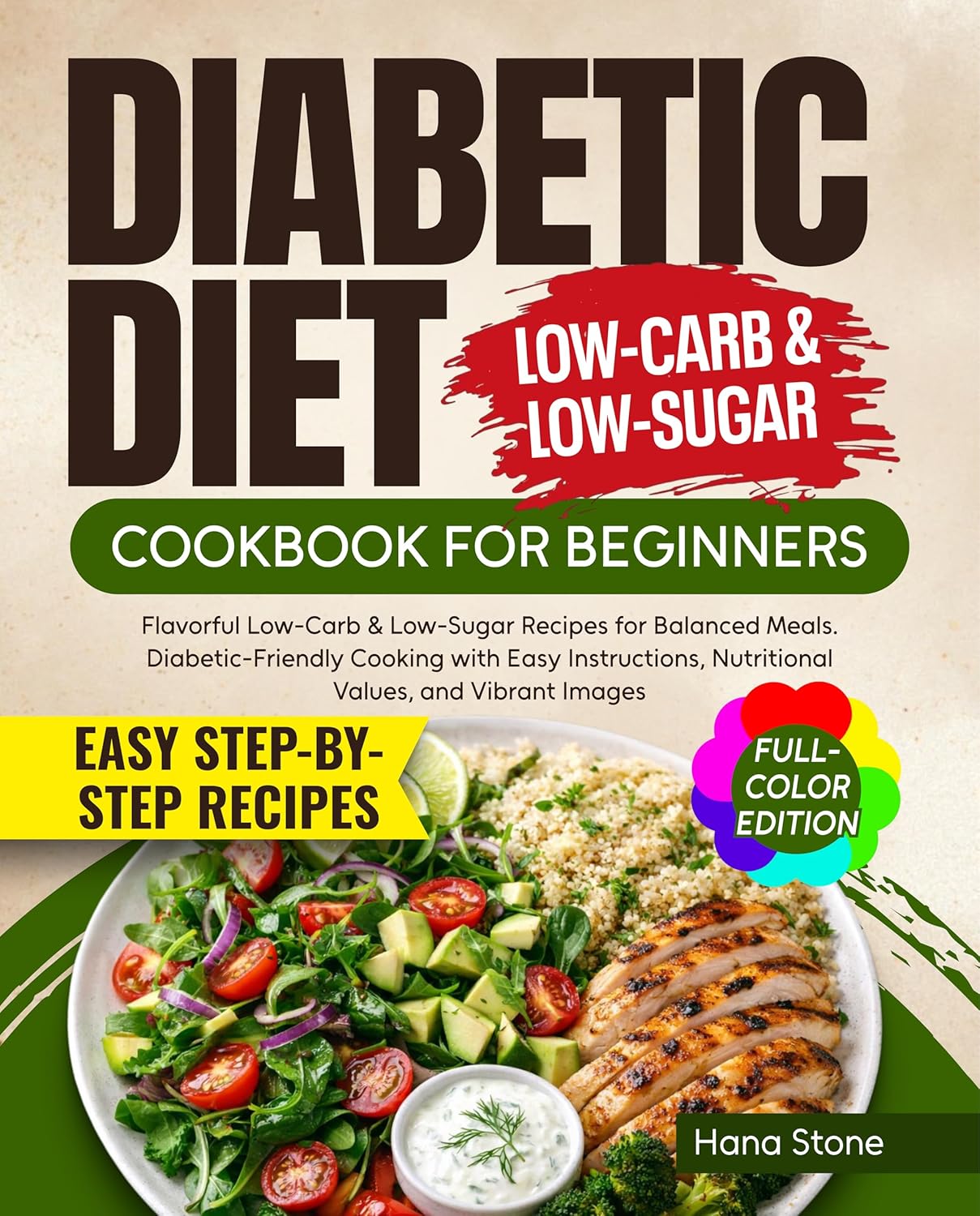
Diabetic Diet Cookbook for Beginners: Flavorful Low-Carb & Low-Sugar Recipes...
Written by: Hana Stone
Language: English
Format: Kindle • Paperback
Contains: ~25000 words
 No cover
52 Weeks to Health Journal: From Small Habits to a New You: Your Personal...
Written by: Inell Murae
Language: English
Format: Kindle • Paperback • Hardcover
Contains: ~25000 words
 No cover
DASH Diet Cookbook for Beginners: 100+ Heart Healthy Low Sodium Recipes with...
Written by: Tess Holden
Language: English
Format: Kindle • Paperback • Hardcover
Contains: ~20000 words
 No cover
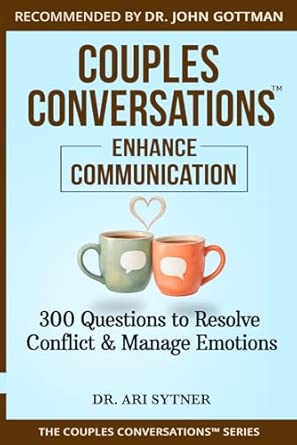
Couples Conversations™: Strengthen Communication (Vol. 2): 300 Questions to...
Written by: Dr. Ari Sytner
Language: English
Format: Kindle • Paperback • Hardcover
Contains: ~35000 words
 No cover
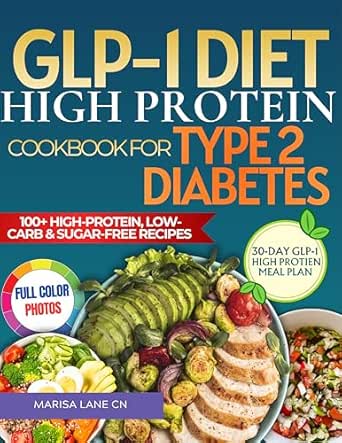
GLP-1 Diet High Protein Cookbook For Type 2 Diabetes: 101 High-Protein,...
Written by: MARISA LANE CN
Language: English
Format: Kindle • Paperback • Hardcover
Contains: ~20000 words
 No cover
GLP-1 Diet Cookbook for Beginners: 100+ Simple, High-Protein Recipes with a...
Written by: R. Scott Stone
Language: English
Format: Kindle • Paperback • Hardcover
Contains: ~20000 words