
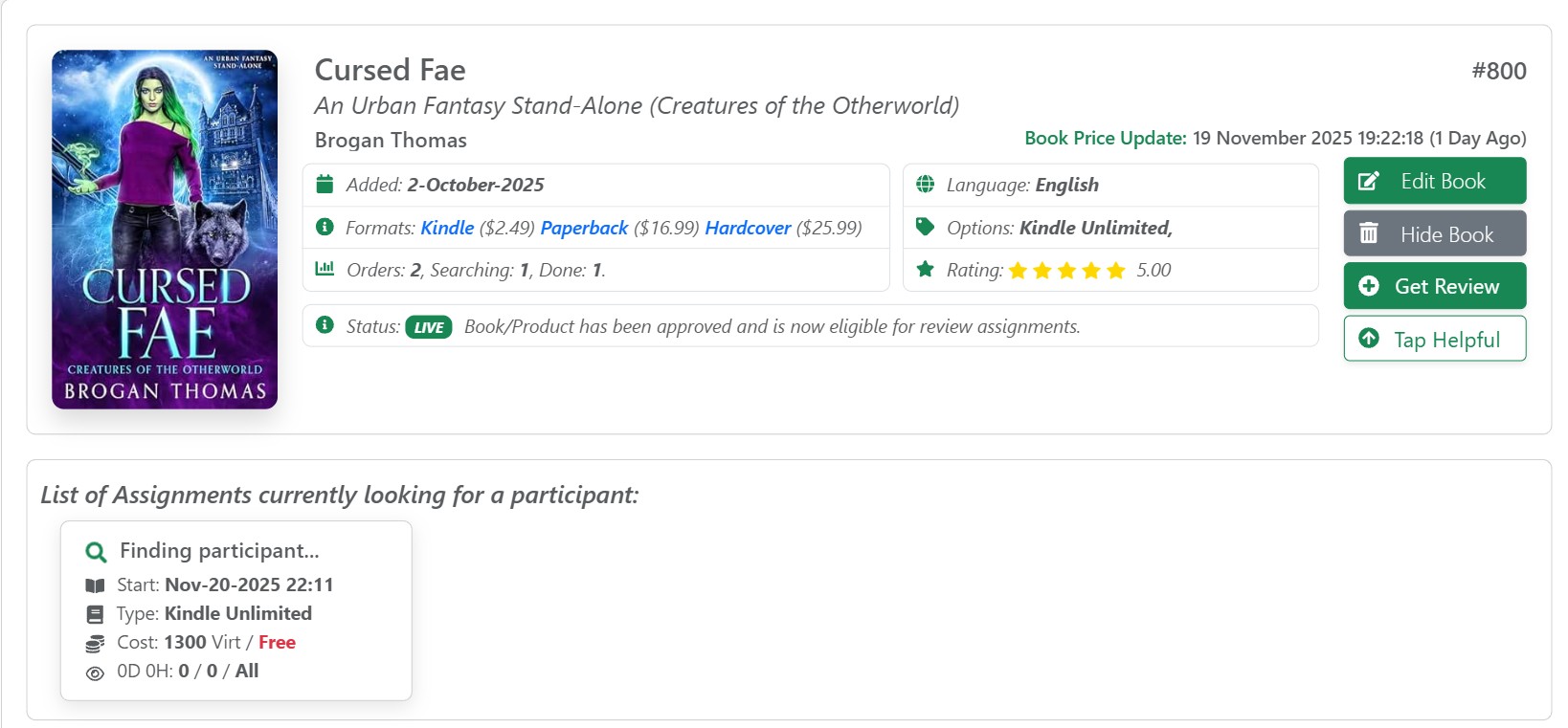
Many authors treat positioning as a private decision: choose a cover, write a title, polish the description, and hope the market understands the offer. Reader feedback gives that process a visible checkpoint before launch.
Structured feedback is useful because it turns opinions into patterns. Instead of asking whether one person likes a cover, an author can compare how readers respond to several presentation choices.
Signals worth checking
- Does the cover communicate the book category quickly?
- Does the title match the reader promise?
- Does the description make the benefit clear before the reader loses attention?
The goal is not to chase every comment. The goal is to find the strongest direction before the book receives real marketplace pressure.